


Improve or replace your current software?
A checklist for deciding whether to repair a system, replace one part or plan a full rebuild, without committing before the evidence is in.
Rosaan Ramasamy · · 2 min read
Before you fix, take over or rebuild a system, a review should rank the risks and say what to fix first. What a good one contains, and the warning signs.

In short
A useful software review tells you what the system is and runs on, how it is built and released, what is fragile, the risks ranked by what they would cost the business, what to fix first and roughly how big each fix is, and whether to fix, improve or rebuild, with the reason. It should also say what it couldn’t check. Be wary of a pasted scan report, or a “rebuild everything” verdict from the firm that would quote the rebuild.
When a system isn’t working and nobody can say exactly why, the tempting move is to pick a fix straight away: bring in a new vendor, patch what hurts, or start again. A software review, or code audit, comes first. It is the cheapest point at which to find out what you actually have.
But reviews vary a lot. Some are a tool’s output with a cover page. Some are a sales pitch for a rebuild. Here is what a useful one should give you.
TCE Baby’s expo platform came to us live, with problems from before, and the expos couldn’t stop. So the expo calendar set the order: production problems first, then what the next event needed, then new features and longer-term work.
That is the habit a review should give you. It shouldn’t just list what is wrong. It should put the problems in the order your business needs them fixed.
It shouldn’t. A good reviewer understands the system first, repairs what can sensibly be repaired, and recommends a rebuild only when there is a real reason. Rebuilds are expensive and slow, and the old system usually holds rules nobody wrote down.
Not always. If the system is small and well understood, a takeover can start directly. A review earns its cost when there are unknowns that make quoting or taking responsibility unsafe. Taking over software from another vendor covers what to check first.
Yes. A review needs their cooperation on access and history, and the results are often useful to them too.
A code audit looks at the code. A software review also looks at how the system is hosted, released and used, and at the decision you face. For most business decisions, you need the wider one.
If you are about to spend money on a system you are not sure of, start here.
Either way, the fix budget then goes to what matters first, not to whatever hurts loudest. You are free to take the findings to any team. If you want us to do the work, a contained fix can be a Fix Sprint, and a longer list runs on Managed Delivery. Both sizes are on the Review page.
Founder and Managing Director, Antdragon
Rosaan started Antdragon in 2020 to be the team that stays accountable once software goes live, and works with business owners on the systems they rely on every day.
Filed under Existing systems and takeover
A checklist for deciding whether to repair a system, replace one part or plan a full rebuild, without committing before the evidence is in.
Rosaan Ramasamy · · 2 min read
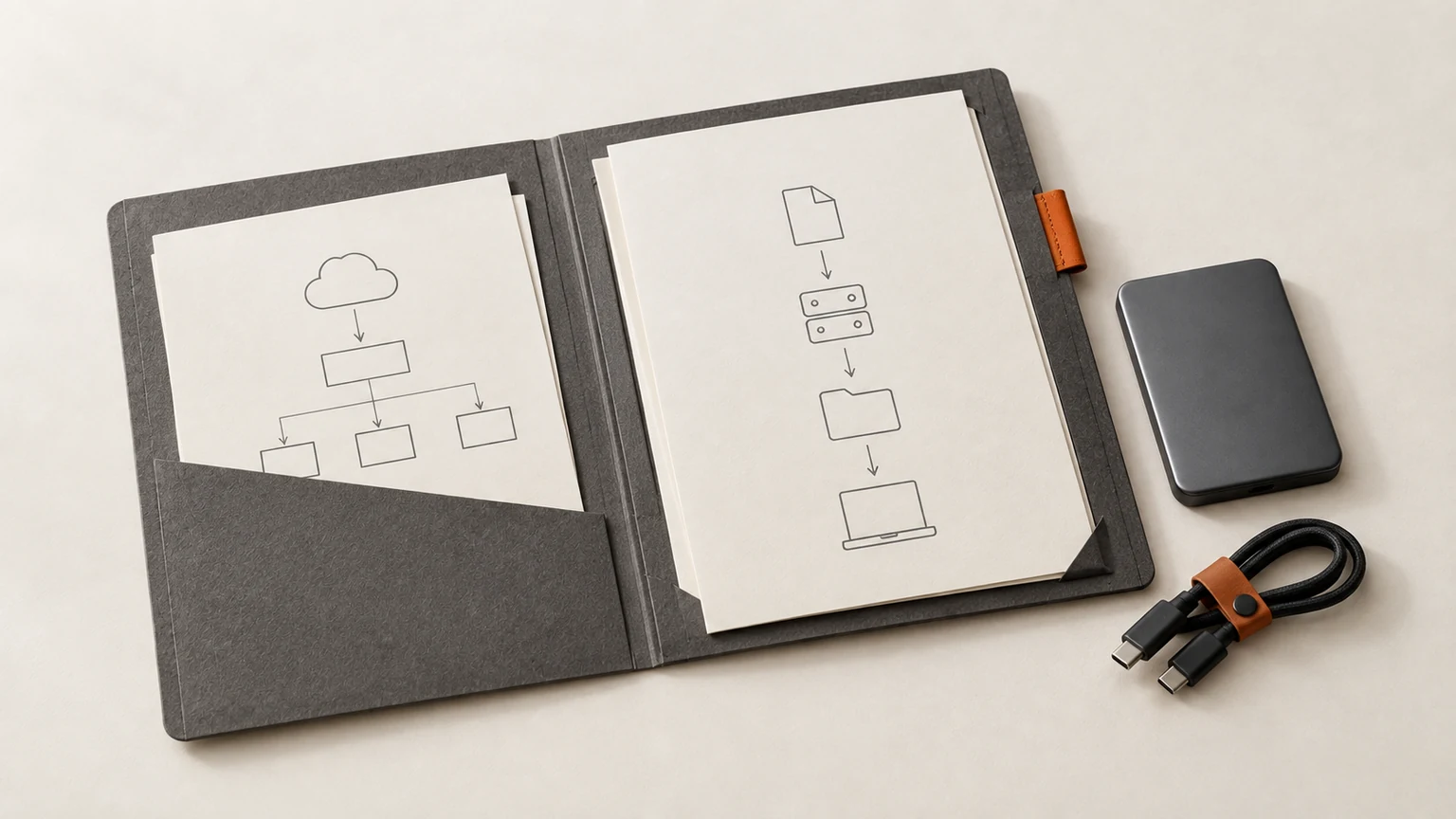
Before a new team changes anything, find out who controls the system, what access exists, how it is released, and whether it really needs a rebuild.
Rosaan Ramasamy · · 3 min read

When a ready-made loyalty platform is enough, what sits behind the member’s screen, why the POS and ERP links are the hard part, and what it costs.
Rosaan Ramasamy · · 4 min read